

Dangers of Improper Tree Pruning
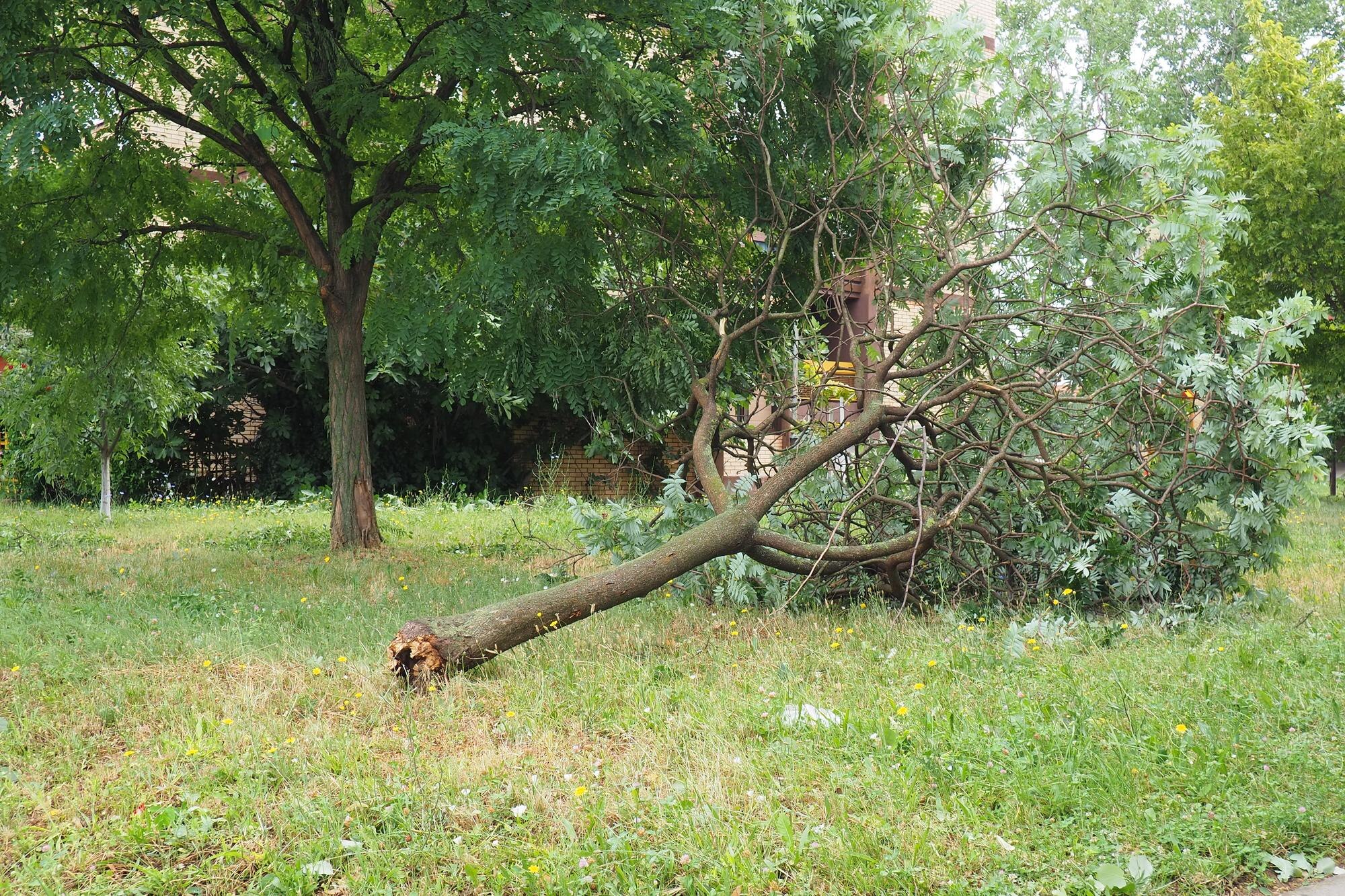
Tree pruning might seem like a simple task, but it’s far more complex than many realise. Poor pruning practices can lead to lasting damage, affecting both the health and appearance of your trees.
Risks of DIY Pruning
Taking on tree pruning yourself can be a risky business. Without proper knowledge and tools, you might end up causing more harm than good.
For starters, incorrect cuts can leave trees vulnerable to disease and pest infestations. If you prune too much, you could stunt the tree’s growth or even kill it outright. And let’s not forget the physical risks – climbing ladders with sharp tools is a recipe for accidents.
Many homeowners don’t realise that each tree species has unique pruning needs. What works for an oak might not suit a maple. This lack of specialised knowledge often results in over-pruning or removing vital branches, weakening the tree’s structure.
Safety Benefits of Professional Services
Hiring a professional tree pruning service isn’t just about getting the job done right – it’s about keeping you and your property safe.
Trained arborists have the skills to assess each tree’s needs accurately. They know which branches to remove and how to make cuts that promote healing. This expertise helps maintain your tree’s health and structural integrity for years to come.
Professional services also come equipped with the right tools and safety gear. They’re trained to work at heights safely, reducing the risk of accidents. Plus, they’re insured, protecting you from liability if something goes wrong.
By choosing a professional service, you’re not just pruning trees – you’re investing in the long-term health and safety of your green spaces.
Choosing the Right Time for Tree Pruning
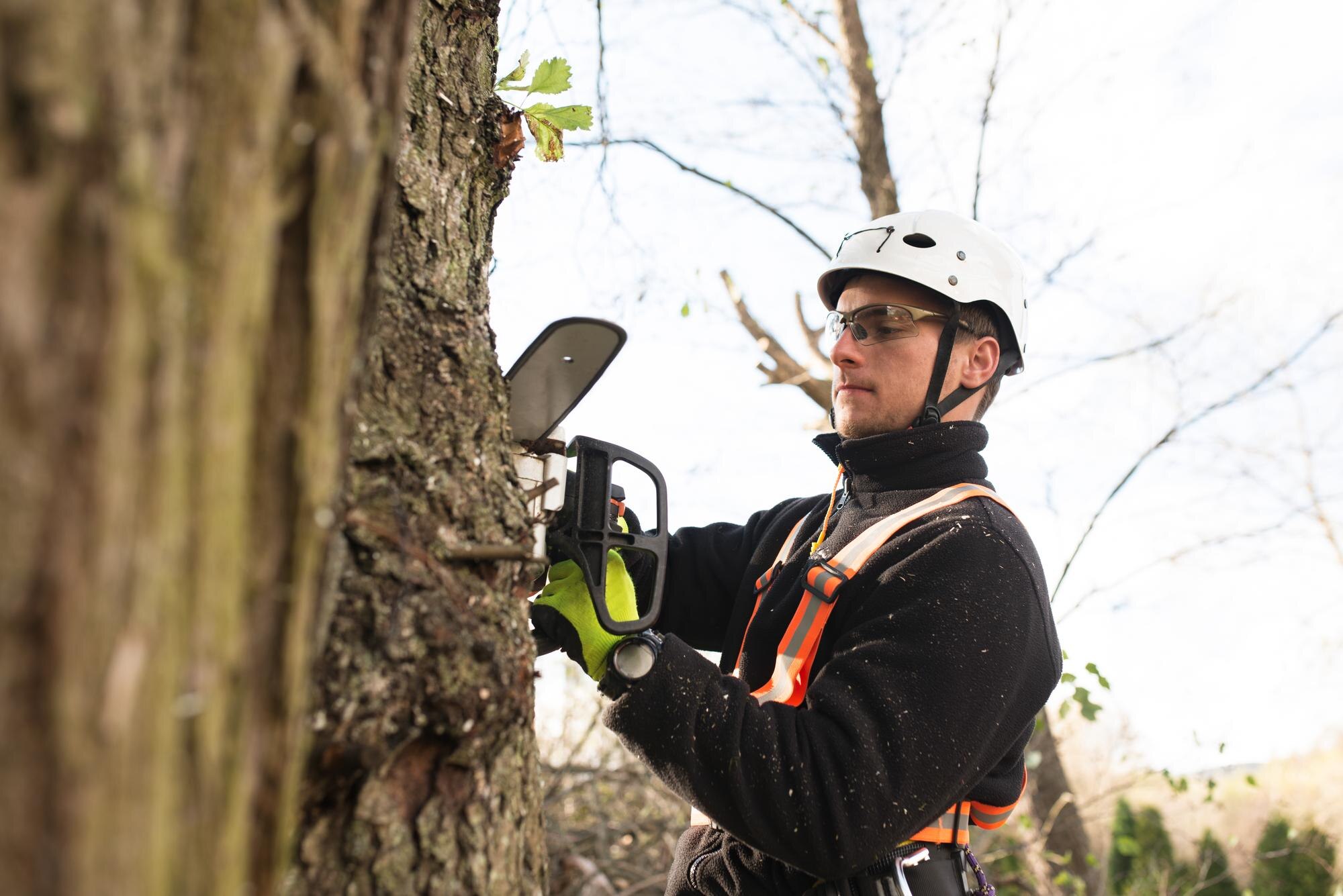
Timing is crucial when it comes to tree pruning. The right timing can boost growth and health, while the wrong timing can stress your trees and invite problems.
Worst Time to Prune Trees
Pruning at the wrong time can be detrimental to your trees’ health and growth. Late summer and early autumn are generally the worst times for tree pruning.
During these seasons, trees are preparing for dormancy. Pruning now can stimulate new growth that won’t have time to harden before winter, making the tree susceptible to cold damage. It also depletes the tree’s energy reserves needed for winter survival.
Avoid pruning during wet weather too. Moisture promotes fungal growth, increasing the risk of infection through fresh cuts. If you must prune in less-than-ideal conditions, stick to removing only dead or damaged branches.
Remember, pruning flowering trees at the wrong time can mean losing next year’s blooms. Always research your specific tree species before making any cuts.
Optimal Seasons for Pruning
The best time for tree pruning varies depending on the tree type and your goals. However, late winter to early spring is often ideal for many species.
Pruning just before the spring growth spurt gives trees a boost of energy to heal wounds quickly. It’s also easier to see the tree’s structure without leaves, helping you make better pruning decisions.
For spring-flowering trees, wait until right after they bloom to prune. This ensures you don’t accidentally remove flower buds. Summer-flowering trees, on the other hand, are best pruned in late winter or early spring.
Some trees, like maples and birches, are ‘bleeders’. They lose sap when cut in late winter. While this doesn’t harm the tree, it can be messy. Prune these in summer or early autumn instead.
Comprehensive Green Asset Management
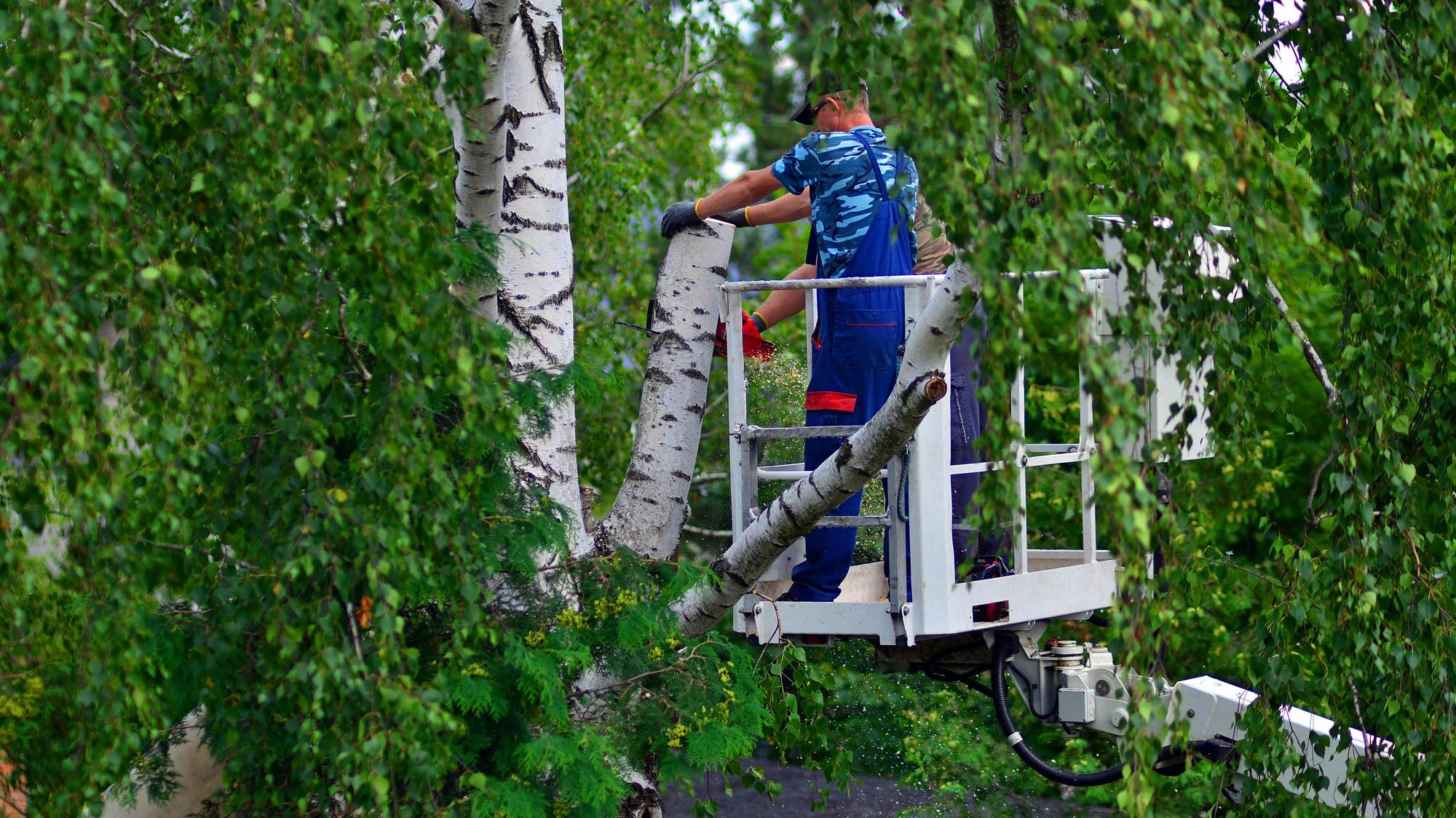
Managing your trees and shrubs isn’t just about occasional pruning. It’s about taking a holistic approach to care for your green assets year-round.
Tree Pruning vs Trimming
While often used interchangeably, pruning and trimming serve different purposes in tree care. Understanding these differences can help you better maintain your green spaces.
Pruning focuses on the health and structure of the tree. It involves removing specific branches to promote growth, improve shape, or eliminate diseased parts. This process requires knowledge of tree biology and growth patterns.
Trimming, on the other hand, is more about aesthetics and controlling size. It’s often done to shape hedges or maintain a desired look for ornamental trees. While less technical than pruning, proper trimming techniques are still crucial to avoid damaging plants.
Both practices play important roles in tree care. Pruning keeps trees healthy and safe, while trimming maintains their appearance and prevents overgrowth.
Ongoing Maintenance and Care
Caring for your trees doesn’t stop at pruning and trimming. Regular maintenance is key to keeping your green assets healthy and beautiful year-round.
Start with routine inspections. Look for signs of disease, pest infestations, or structural issues. Early detection can prevent small problems from becoming big headaches.
Proper watering is crucial, especially for young trees or during dry spells. Deep, infrequent watering encourages strong root growth. Mulching around the base of trees helps retain moisture and suppress weeds.
Don’t forget about soil health. Periodic soil tests can reveal nutrient deficiencies. Based on these results, you might need to fertilise or amend the soil to support your trees’ growth.
Lastly, consider the overall ecosystem of your green space. A diverse mix of plants can create a healthier environment, reducing pest and disease problems naturally.
By taking a comprehensive approach to tree care, you’re not just maintaining plants – you’re creating a thriving, sustainable landscape that adds value to your property for years to come.