

Tree Pruning vs. Trimming: Understanding the Key Differences for Your Property
Most people mix up tree pruning and trimming, but they’re not the same thing—and using the wrong approach can harm your property’s health. If you’ve searched for “tree pruning near me,” you’ve probably wondered when and how to care for your trees properly. This guide breaks down the key differences so you can make the right choice for your garden’s wellbeing.
Key Differences Between Pruning and Trimming
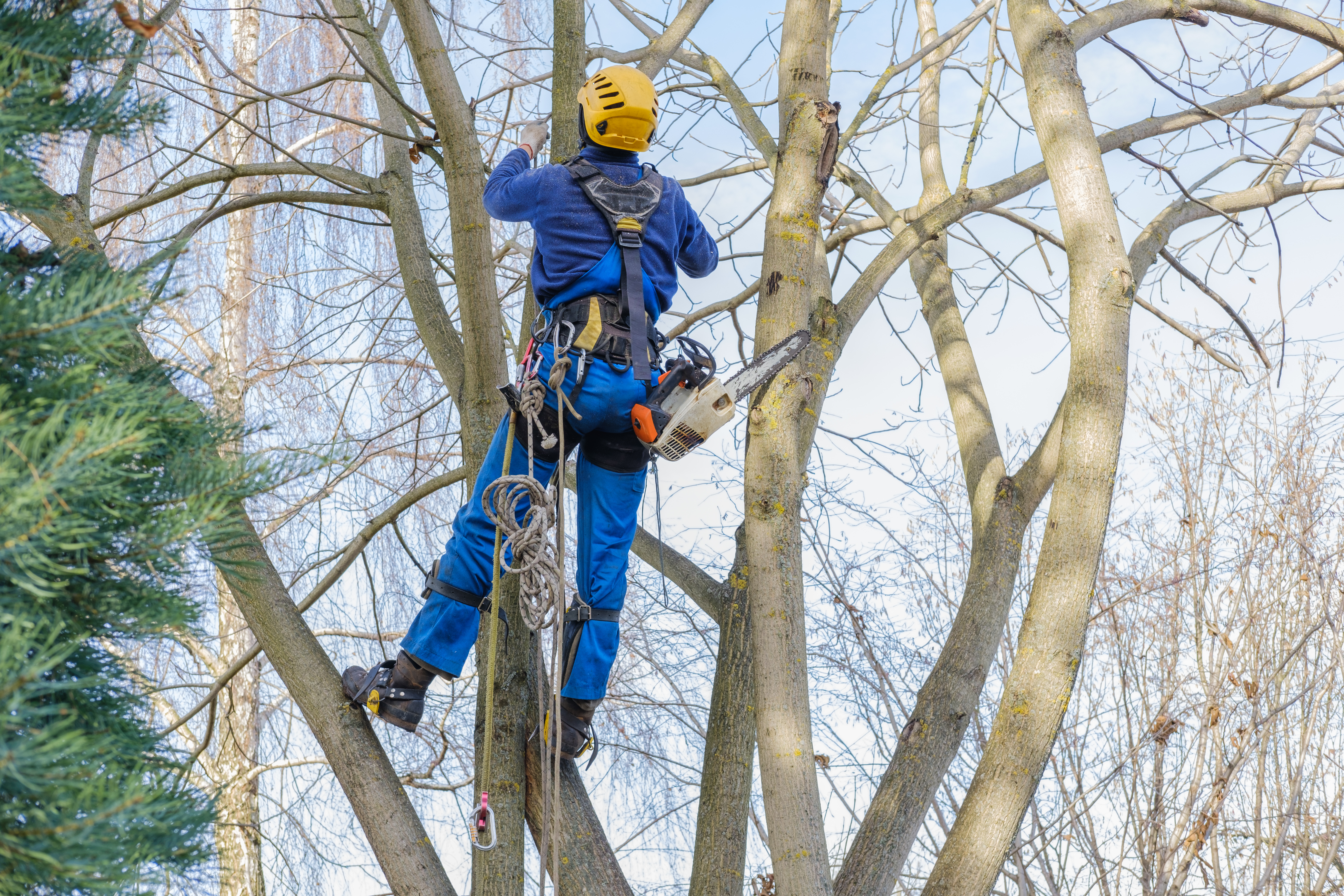
Pruning and trimming might seem similar, but they serve distinct purposes for your trees and garden. Let’s explore how these practices differ and why it matters for your property.
Purpose and Benefits
Tree pruning focuses on the health and structure of your trees. It’s about removing dead, diseased, or damaged branches to promote growth and prevent potential hazards.
When you prune your trees, you’re:
Encouraging new, healthy growth
Improving air circulation within the tree’s canopy
Reducing the risk of falling branches
Trimming, on the other hand, is mainly about appearance and controlling size. It’s perfect for shaping hedges and keeping your garden looking tidy.
Benefits of regular trimming include:
Maintaining a neat, manicured look
Preventing overgrowth that can block views or pathways
Encouraging denser foliage in shrubs and hedges
Both practices are crucial for a well-maintained garden, but they serve different roles in your overall landscape care.
Tools and Techniques
The tools and methods used for pruning and trimming reflect their distinct purposes.
For pruning, you’ll need:
Sharp, clean pruning shears for small branches
Loppers for thicker branches
A pruning saw for larger limbs
Pruning techniques involve making precise cuts at specific angles to promote healing and prevent disease. It’s a more selective process, often requiring knowledge of tree biology.
Trimming tools are typically:
Hand-held or power hedge trimmers
Topiary shears for detailed shaping
Long-handled pruning shears for taller hedges
Trimming techniques focus on creating clean, even lines across the surface of hedges and shrubs. It’s often a more uniform process, shaping the overall form rather than targeting individual branches.
Choosing the Right Service for Your Needs
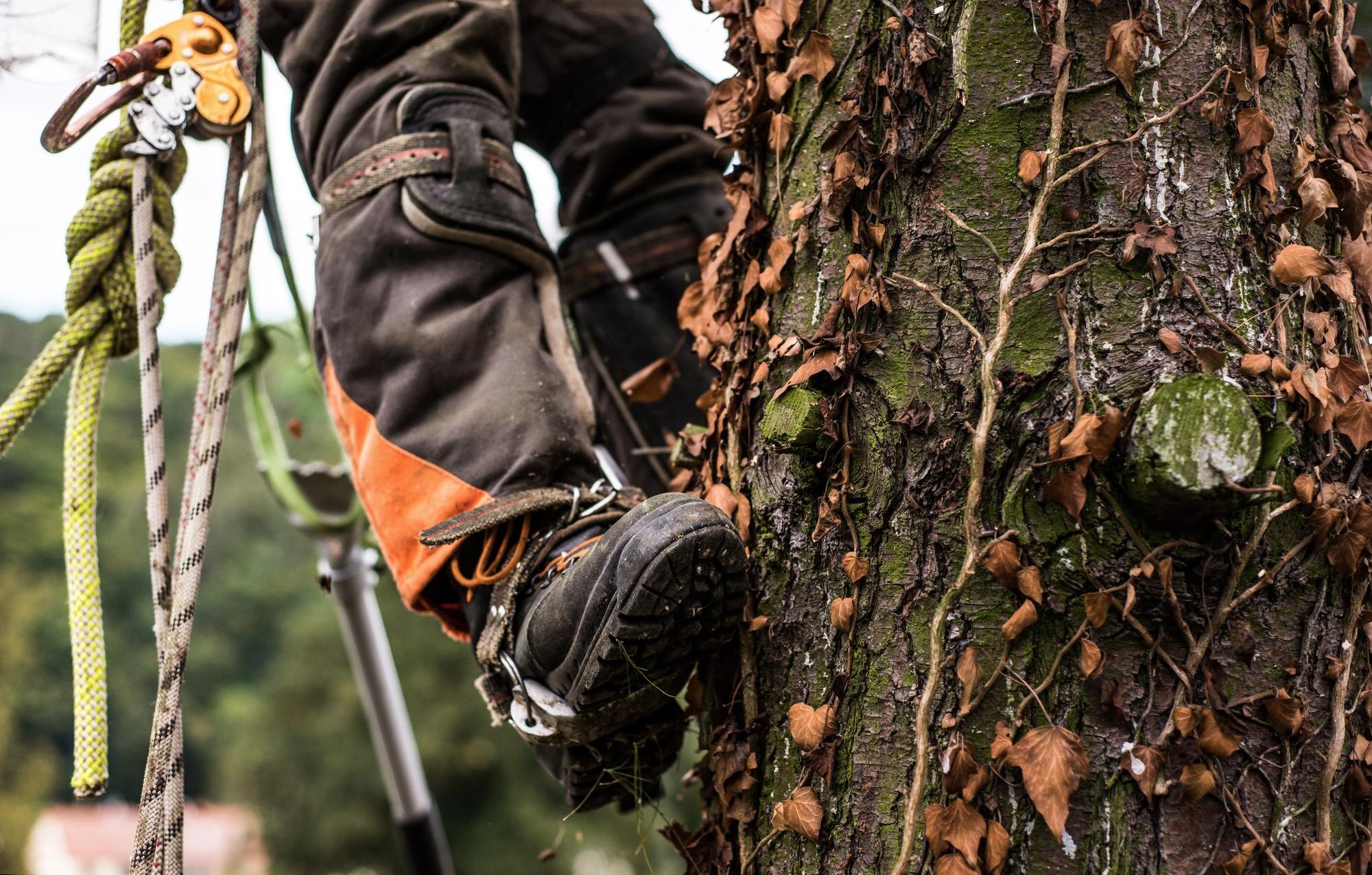
Now that you understand the differences, how do you decide which service your property needs? Let’s look at how to assess your garden and when to call in the experts.
Assessing Your Property
Take a walk around your garden and look closely at your trees and shrubs. Are you seeing:
Dead or broken branches on trees?
Overgrown hedges blocking paths or windows?
Trees with dense canopies limiting light?
If you spot dead branches or signs of disease in your trees, you’re likely in need of pruning. This is crucial for tree health and safety.
For neat hedges and shrubs that are growing out of bounds, trimming is your go-to solution. It’s perfect for maintaining the shape and size you want.
Remember, some plants might need both services at different times of the year. Your goal is to balance health, safety, and aesthetics in your garden.
When to Hire Professionals
While some garden tasks are perfect for DIY, there are times when calling in a tree pruning service is the smartest choice.
Consider professional help when:
You’re dealing with large trees or high branches
There’s risk of damage to property or power lines
You’re unsure about the health of your trees
You need specialised equipment for the job
Professionals have the tools, knowledge, and safety training to handle complex pruning tasks. They can spot early signs of disease and offer advice on long-term tree care.
For regular trimming of hedges and small shrubs, you might feel confident doing it yourself. But for anything involving climbing or heavy branches, it’s best to leave it to the experts.
Timing and Safety Considerations
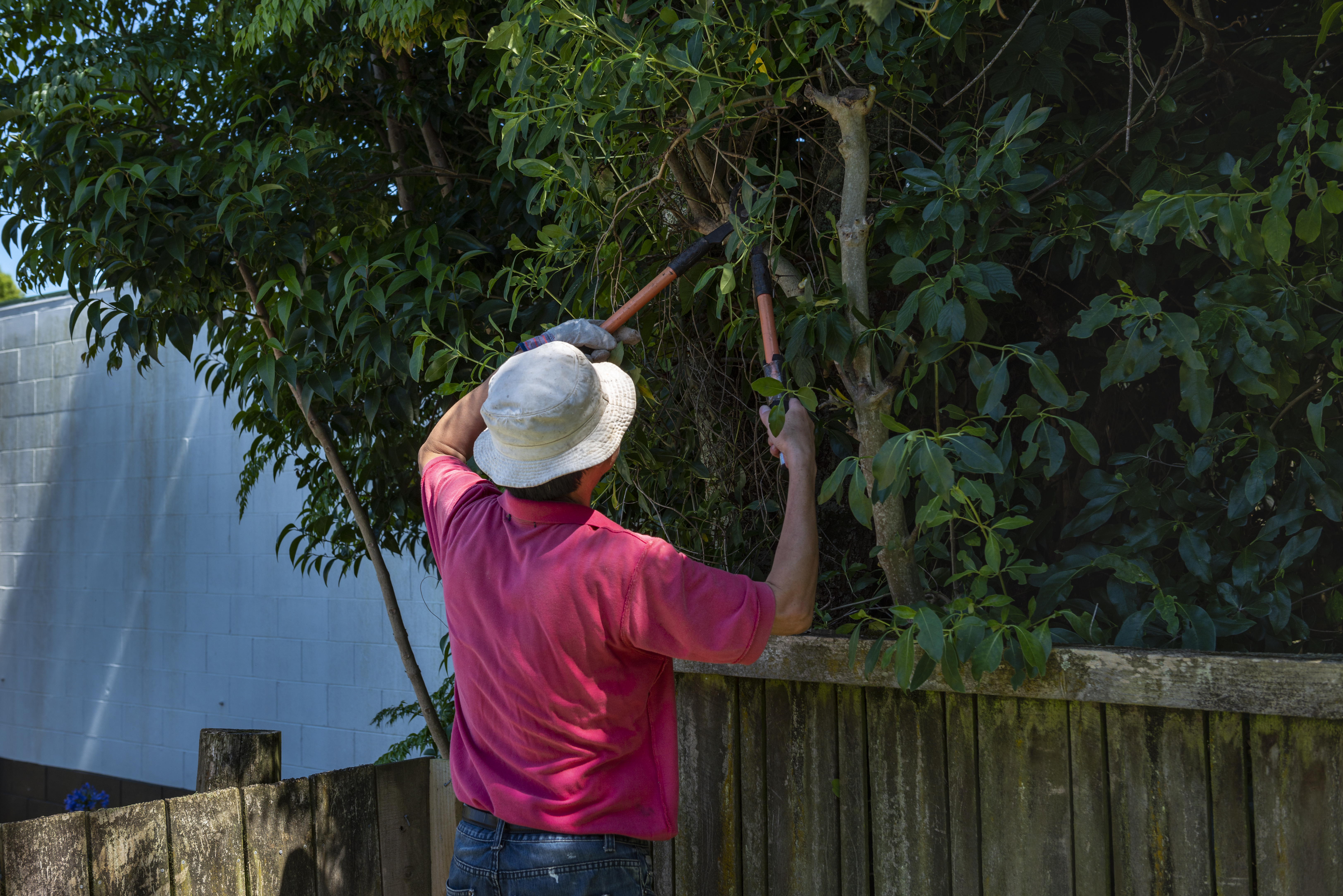
Knowing when to prune or trim is just as important as knowing how. Let’s explore the best times for these tasks and how to stay safe while doing them.
Worst Time to Prune Trees
Timing is crucial when it comes to tree pruning. The worst time to prune trees is typically during their active growing season in spring and early summer.
Why avoid pruning during this time?
It can stress the tree and slow its growth
Fresh cuts are more susceptible to pests and diseases
You might remove buds that would have produced flowers or fruit
The best time for most tree pruning is during the dormant season—late winter to early spring. This allows the tree to heal quickly when new growth begins.
There are exceptions:
Remove dead or damaged branches any time of year
Prune spring-flowering trees right after they bloom
For fruit trees, timing varies based on the species
When in doubt, consult a local tree expert. They’ll know the best times for pruning in your specific climate and for your particular trees.
Ensuring Safety with Pruning and Trimming
Safety should always be your top priority when working on your trees and hedges. Here are key safety tips to keep in mind:
Use proper protective gear:
Safety glasses
Gloves
Hard hat (for tree work)
Non-slip shoes
Inspect your tools before use:
Ensure blades are sharp and clean
Check for any loose parts
Replace damaged tools
Be aware of your surroundings:
Look for power lines before starting
Clear the area of people and pets
Have a clear escape route if working with large branches
Know your limits:
Don’t attempt tasks beyond your skill level
Avoid working from ladders for pruning
Call professionals for high or difficult-to-reach areas
Remember, no garden task is worth risking your safety. If you’re unsure or uncomfortable with any aspect of pruning or trimming, it’s always best to seek professional help.
By understanding the differences between pruning and trimming, and following these guidelines, you’ll be well on your way to maintaining a healthy, beautiful garden. Whether you decide to tackle the tasks yourself or hire a tree pruning service, you now have the knowledge to make informed decisions about your property’s care.